
How Precious Metal Pricing Works
Article • August 20th, 2026 • Jackie LeBeauConfused by precious metal pricing? Learn how different market prices, fabrication costs, and alloy composition combine to determine the price of wire, strip, targets, and other mill products.
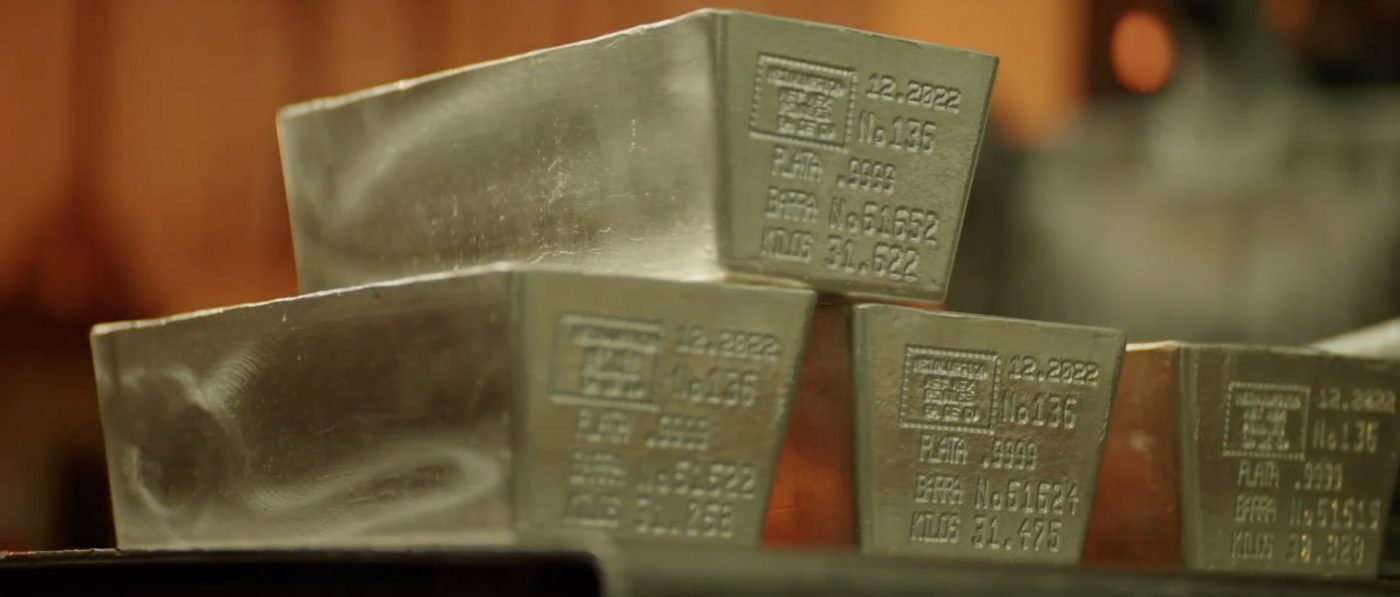
If you’ve ever requested a quote for wire, strip, or sputtering targets and wondered why the price fluctuates from week to week, this guide explains exactly how precious metal product pricing works — and what drives the number you see on your invoice.
Common Market References
Precious metal pricing is based on recognized market references. Understanding which market applies — and why — is critical.
- LBMA (London Bullion Market Association): The global benchmark for precious metals pricing, including daily silver and gold prices.
- Spot Market: The current, real-time trading price of a metal.
- Handy & Harman Bullion: A bullion-based market reference commonly used in North American industrial contracts.
- Handy & Harman Fabricated: Represents silver that has been refined and converted into an industrial-grade form suitable for manufacturing.
- Engelhard Bullion: A traditional bullion reference still used in some legacy contracts.
- Engelhard Fabricated: A fabricated silver reference used historically in manufacturing agreements.
[View Live Precious Metal Prices →]
Market Price Is Just the Starting Point
When you buy a fabricated precious metal product — a coil of silver wire, a strip of sterling alloy, a sputtering target — you’re not buying raw metal at spot. You’re buying a finished, engineered product. The final price reflects several cost components layered on top of the raw metal value:
1. Metal content cost
The weight of precious metal in the product, multiplied by the market price at either the time of order receipt or at the time of order shipment. For alloys like sterling silver (92.5% silver) or coin silver (90% silver), only the precious metal fraction is priced on the market at the agreed upon time.
2. Fabrication and processing costs
Converting raw silver and other precious metals into wire, strip, rod, tube, or a sputtering target requires rolling, drawing, annealing, cutting, and finishing. These steps involve labor, energy, tooling wear, capital equipment, and process losses — and they vary significantly by product type, dimensions, and tolerances.
3. Alloy additions
Pure fine silver (99.9%+) behaves differently from sterling, coin silver, or alloys. Alloying elements — copper, nickel, titanium, and others — are added at precise ratios to achieve specific mechanical or electrical properties. The cost of these additions is factored in.
4. Form and specification premium
Tighter dimensional tolerances, special tempers, custom packaging, or certifications (like material test reports or ISO-compliant documentation) add cost. A tight-tolerance medical-grade strip commands a higher premium than a standard industrial coil.
5. Minimum order and lot charges
Precious metal fabrication involves setup costs. Small orders often carry minimums or lot charges that spread fixed costs across a smaller quantity of product.
Ready to Get a Quote?
Reliable Silver pricing typically uses a market reference, surcharge, plus a fabrication charge to convert metal into a customer-specific product.
Understanding how pricing works makes it easier to compare suppliers and evaluate your total cost. When you request a quote from us, we’ll clearly break out the metal content cost from fabrication, so you always know what you’re paying for.